This is one of a series of introductions that bring together two ways of describing a path that leads to the transformation of ourselves and the transformation of the world around us.
The first word in each dyad is from stages and chapters in The Golden Room writings. The second is from my brother George Kinder‘s methodology of Life Planning. (The first five are from Life Planning’s EVOKE steps, the last two, Understanding and Aloha, are from the Seven Stages of Money Maturity. George’s began working primarily with the financial industry, but Seven Stages and EVOKE both are heart-centered, spiritually grounded and used by clergy and coaches.)
If you have not read about The Golden Room Writings, these introductions will make more sense when you have. You can read about them at Introduction: The Vision Behind This Site, and More Introduction to this Site: We Need Metaphors. Here are the seven introductions in this series, listed in order, with links to them.
Calling/Exploration
Siting/Vision
Clearing/Obstacles
Digging/Knowledge
Building/Execution
Dwelling/Understanding
Returning/Aloha
The Golden Room Writings and Life Planning Writings are both categories on this website, and they share these seven dyads as subcategories.
Digging continues the process that clearing began, the preparation of the site to fulfill the calling. We dig in to the project, and lay the foundation that the building needs.
It corresponds in the vision of The Golden Room to the long, painful descent down the ladder. This is where the challenges begin, and where many people give up. It is no longer theoretical. We have to get our hands dirty.
Kenosis, the process of self-emptying, becomes more intense. Thomas Keating, the teacher of Centering Prayer, talks about “the unloading of the unconscious” that contemplatives go through as their meditation practice deepens. We need to bring up the junk, the old rocks and roots that will get in the way of solid footings. The great song for spiritual renewal, Psalm 51, prays, “Create in me a clean heart, O God.” Digging works toward the wide open heart that we need in order for a new and right spirit to rise in us.
The EVOKE Life Planning “Knowledge” phase applies expertise to the Obstacles we find as we dig. It researches what we need to create a strong foundation for our new life. How can we move buried boulders, how can we work with immovable ledge or a high water table—what logistical groundwork or architectural design work do we need to do, whether financial or psychological or relational or some other form, in order to implement our Life Plan?

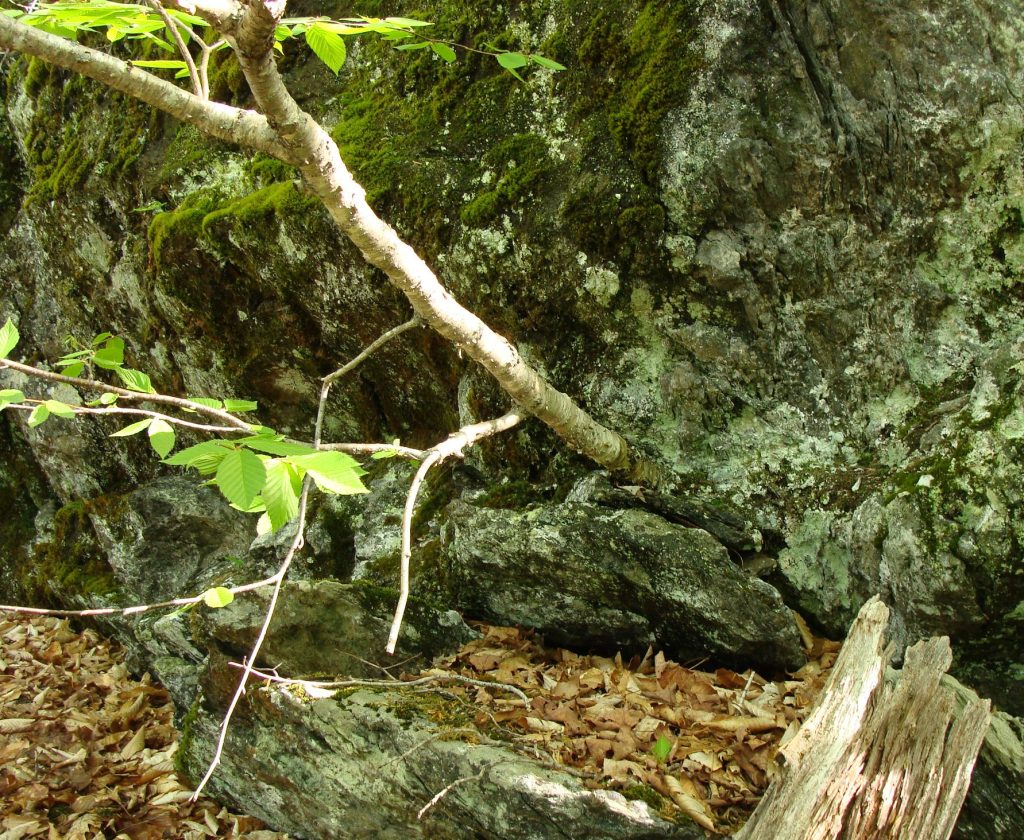

 The beech leaf shone with a green-gold light on sunny mornings in its spring, filling the woods with a feeling of youthful hope. Now the natural cycle has brought it to this, as happens to all, from single cells to civilizations. It hangs on, drained of vitality, weather-beaten and wilting. Meanwhile the bud is swelling above it, about to burst forth with new life. The old leaf feeds the new with the light it transformed and stored in its roots. The natural cycle is not only birth, life and death, it is also to move through that process over and over, each time building on the past and growing higher, stronger and filled with more light than ever before. That is the eternal hope the universe has planted in the heart of all things. We need to keep living in and for that hope. It is The Map.
 The English word metaphor comes from a Greek root. The “meta-” part means across. The “-phor” part means to carry. The Greek root meaning of metaphor is “to carry across.”
 Metaphors can be beautiful images that add meaning by associating one idea with another—we can read poetry and look at photographs for the sheer pleasure of how they transport us and expand our hearts and minds—but metaphors have urgent, practical uses as well. We need them in order to grow, in order to build, in order to journey toward new understandings and destinations. We need them as individuals living increasingly complex lives, and today we need them as a society facing threats to so much that we love and depend on to survive.
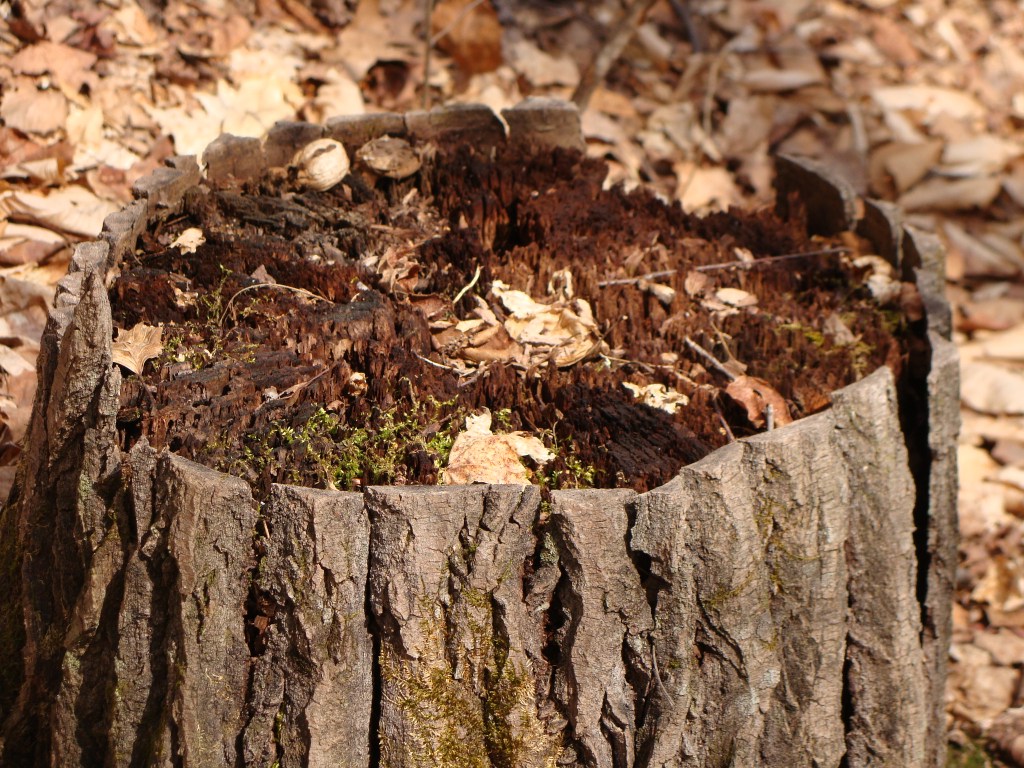
 The forest around this cabin has been logged over the years, and there are stump sprouts–clumps of as many as five trees growing in a tight circle around where a tree was cut. Other trees have fallen and rotted where they lay and a line of trees has sprouted up fed by the rot.



 Thomas Cary Kinder